
Website Care Plan Prices in 2026: What 72 US Providers Charge
We read the published pricing of 72 US website care providers and logged all 187 plan tiers. The median entry plan is $99 a month. Here's what that buys, what the top tiers add, how few providers test updates or promise a person at night, and the questions to ask before you sign.
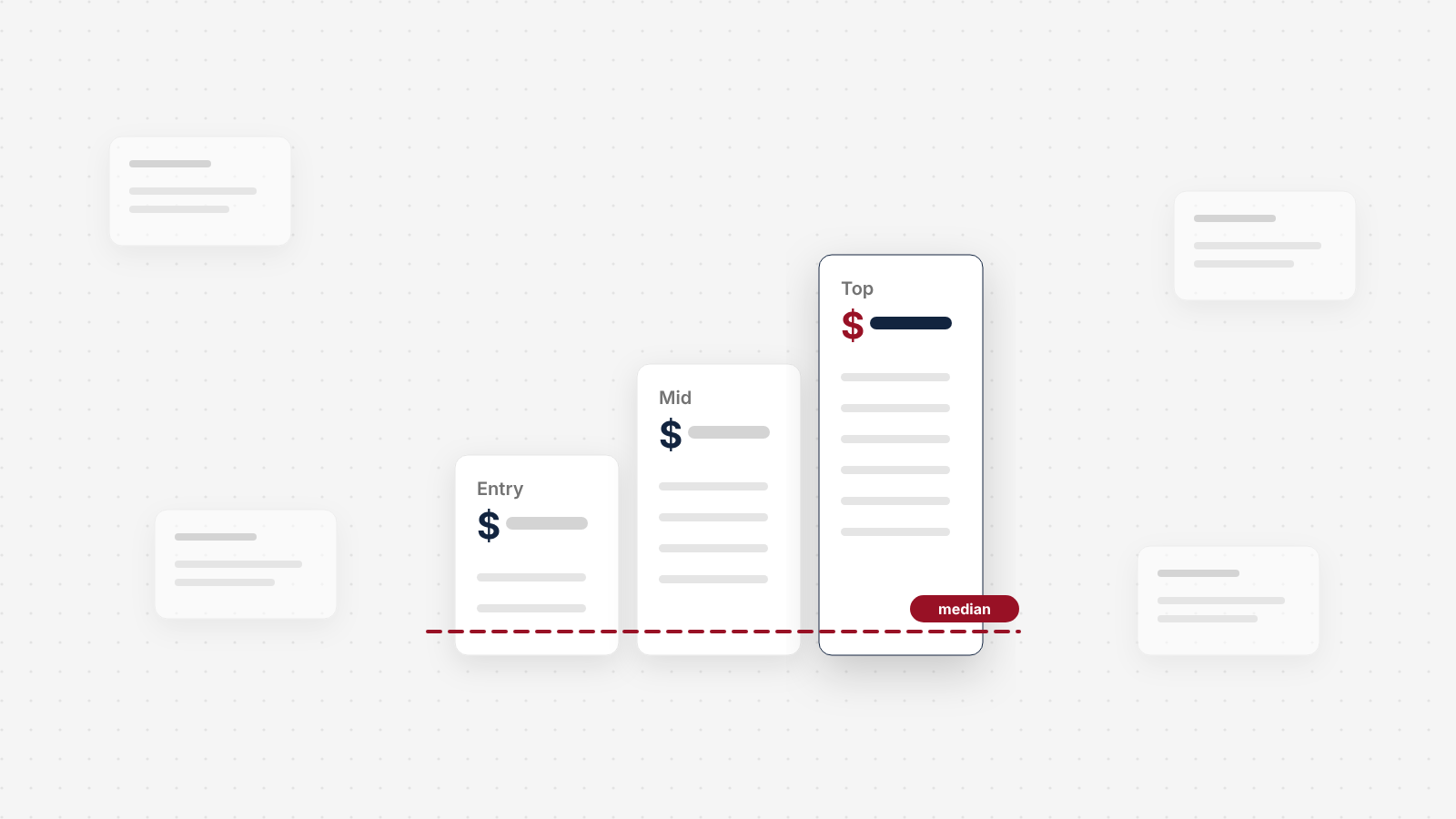
We read the published pricing of 72 US website care providers and logged all 187 plan tiers they list. The median entry plan costs $99 a month, the median top tier $450, and plans at $1,000 a month and up are rare. Most cheap plans are software updates plus automated monitoring. Only about 1 in 6 providers say they test updates on a staging copy before they go live, and more than half sell month to month. Here's the full index, what it means for a B2B company whose website brings in leads, and the questions to ask any provider before you sign.
What we looked at
If you've tried to compare care plans, you know the problem. Every provider uses different tier names, feature lists and ideas of what "support" means. We wanted numbers we could stand behind, so we collected them ourselves.
On October 14, 2026, we went through the published pricing pages of 72 US providers that sell website care or maintenance plans. They fall into three rough groups: small studios, WordPress care specialists and productized services, and mid-size agencies. Between them they list 187 priced tiers. For each tier we recorded the monthly price as published, the stated term, what the provider says about support hours, whether updates are tested on a staging copy, and whether the work is described in hours.
Everything here comes from what providers say in public. The method and its limits are at the end.
What care plans cost in 2026
We sorted each provider's tiers into entry, mid and top, then took the median of each group. The median is the price in the middle: half the plans cost less, half cost more.
Median monthly price of a website care plan, in US dollars
The entry tier is cheap almost everywhere. The top tier is where providers spread out: half of all top tiers fall between $299 and $797. For a buyer, that spread matters more than the medians. Two plans at the same price can include very different amounts of a person's attention, and the only way to tell them apart is to read past the tier name.
What the cheap plans include
At the entry level, most plans are software updates plus monitoring, and the monitoring is usually an automated tool. That's worth having, and it's cheap because it can be automated across many sites. A plan at around $99 a month leaves little time for anything a tool can't do.
For a brochure site, that's a fair deal. If your website is mostly there so people can check you exist, a plan that keeps the software current and tells you when the site goes down may be all you need.
It's a different story when the site brings in leads. The failures that cost a B2B company money are rarely "the site is down." They're a quote form that stops reaching sales after an update, or a CRM connection that breaks while every page still loads, and an automated monitor won't notice either. Our article on what a website maintenance plan should cover walks through those failures and gives you a monthly checklist.
Who tests updates before they go live
The most useful question to ask any care provider is what happens when an update breaks something. Updates are the main thing every plan sells, and they're also one of the usual ways a working site stops working.
The safe way is to apply updates to a staging copy of the site first, check the key pages and forms, and only then update the live site. That takes longer, and it needs a person to look at the result.
About 1 in 6 is a low number for the main service on offer. That doesn't mean the others break sites. Some may test without saying so. But if a provider doesn't put it in writing, you can't count on it, and a rollback only helps if someone notices the problem.
Month-to-month and minimum terms
More than half of the providers we looked at say their plans are month to month. Only about 1 in 9 state a minimum term at all.
Month to month sounds like the safe choice, and for a small site it often is. The cost is that nobody plans. When the next invoice is the longest commitment either side has made, the provider has no reason to spend weeks learning how your site, forms and CRM fit together, and the work settles into updates and fixes. If you want someone to find the things that are about to break, you need a provider who expects to be around long enough to look.
What 24/7 support means on a pricing page
"24/7" is one of the most common phrases on care plan pages, and it covers at least three different promises:
- 24/7 human support. A person will respond to you at any hour, any day. Fewer than 1 in 10 providers in our index promise this for general requests.
- 24/7 or emergency-only response. A person will respond out of hours, but only to an emergency, and the provider decides what counts as one. Around a quarter of providers promise something in this group. The wording varies a lot, so treat that share as approximate.
- 24/7 monitoring. A tool checks the site around the clock and sends an alert. Many providers offer only this, and a person deals with the alert during working hours.
All three are reasonable. The trouble starts when a buyer reads number 3 and assumes number 1. If your site going down on a Saturday night would cost you money, ask which of the three the provider means, what counts as an emergency, and how fast someone responds, and get the answer in writing.
Plans priced at $1,000 a month and up
Plans at about $1,000 a month and up make up roughly 1 in 12 of the tiers in the index. Since only a handful of providers start that high, most of these are upper tiers of providers whose plans start lower.
About half the providers in the index describe what's included in hours of work, and that holds at the top of the market too: most plans at $1,000 and up are sold as a larger block of hours. A block of hours is easy to compare, but it says nothing about what anyone will do with that time or who decides. If you're paying four figures a month, ask what a senior person looks at each month without being asked.
How to choose a care plan for a site that brings in leads
Start with what the site does for the business. If it's a brochure that rarely produces an inquiry, buy a low-cost plan from a provider with good reviews and spend the difference elsewhere. If your site carries RFQs, quote requests or demo bookings, a low-cost plan can cost you more than it saves, because the failures it doesn't watch for are the ones that lose leads.
Then send every provider on your shortlist the same questions. A good provider will answer them plainly, and a vague answer tells you something too.
Questions to ask any website care provider
The work
The people
The terms
Where our own plan sits
We sell care plans, so read this section knowing that.
Our entry plan, The Boring Stuff, is $997 a month, which puts it in the rare band at the top of the index. It covers senior oversight of security, speed, uptime and integrations, proactive hardening and automated monitoring, all updates, patches and tested backups, and integration health checks across your stack, with monthly reporting and a quarterly review. The next tier, The Interesting Stuff, is $1,997 a month. We don't describe the plan in hours. You're paying for continuity, a team that already knows your stack.
It also differs from most of the index in three ways:
- There's a 3-month minimum, with no month-to-month option. The first week is a foundation audit of your security, speed and integrations, and weeks two and three are a stabilization sprint. The monthly routine starts after that, so a single month would be mostly setup. There's a 30-day guarantee: if month one doesn't deliver, it's free, and you can leave.
- There's no 24/7 support. Uptime is monitored automatically, and requests are handled in business hours. We don't offer after-hours or weekend support. If your site needs a person on call at night, we're the wrong pick.
- There's no Slack channel or direct line. Care clients reach us by email, through support tickets or in scheduled meetings. If you want a chat channel with your web team, that's a fair thing to want, and someone else will suit you better.
It's also the wrong fit if your site is a brochure that doesn't bring in leads, or if you're still before launch. A plan from the middle of the index will serve you well there.
How we did this
We built the index from published prices only. A provider was included if it sells a website care or maintenance plan with at least one priced tier on its own website, and if its own site gave evidence that it's based in the US. That gave us 72 providers and 187 priced tiers. Prices are monthly, as published.
One person collected and coded all the data on October 14, 2026. We then hand-rechecked 23 of the 72 providers against their pricing pages. We found and fixed coding errors in about a third of the ones we rechecked. Because errors may remain in the providers we didn't recheck, we report shares as rounded approximations, such as "about half" or "1 in 6," and don't give decimals.
The limits are worth knowing:
- Providers that only quote on request aren't here. If they tend to charge more, the index under-counts the top of the market.
- A published price isn't always the price paid. Discounts, setup fees and annual billing can change what a client spends.
- We recorded what providers say. A provider that tests on staging and doesn't mention it counts as not testing, and a provider that claims something doesn't always do it.
- "Emergency" support is coded loosely, because providers define it in different ways.
- The index is a snapshot of one day. Prices and plans change.
Care plan price questions owners ask
How much does a website care plan cost per month?
In our October 2026 index of 72 US providers, the median entry plan was $99 a month, the median mid tier $224 and the median top tier $450. Across all 187 tiers the median was $199. Plans at about $1,000 a month and up made up roughly 1 in 12 tiers.
Is a $99 a month care plan enough?
For a brochure site that doesn't bring in leads, often yes. Most plans at that price cover software updates and automated monitoring. If your site carries inquiries or RFQs, ask who tests updates before they go live, what happens when one breaks something, and who checks that your forms still reach sales.
Do website care plans include 24/7 support?
Rarely in the full sense. Fewer than 1 in 10 providers in our index promise general 24/7 human support. Around a quarter promise some 24/7 or emergency-only response, and many offer only 24/7 automated monitoring, where a tool watches and a person responds later. Ask which one you're buying.
Should I choose a month-to-month care plan?
It's fine for a small site. More than half of the providers we looked at sell month to month, and only about 1 in 9 state a minimum term. The trade-off is that neither side plans past the next invoice, so the work tends to stay at updates and fixes.
Why do some care plans cost $1,000 a month or more?
Plans at that level are rare. Only 3 of the 72 providers in our index start that high, and most plans in that band still describe the work in hours. When a plan costs that much, ask what a senior person checks each month beyond updates, such as forms, integrations and lead numbers.
Keep reading
 UX & Web Design
We Audited the Quote Request Path on 150 Manufacturer Websites
We checked how 150 US manufacturers handle the moment a buyer wants a quote: the form, the file upload, the reply promise, the specs and proof around it, and the email behind it. About half have a dedicated quote form. Only 7% say when they'll reply. Here's what we found, sector by sector, and a 10-point check for your own site.
 UX & Web Design
We Read 79 Website RFPs. Here's What They Ask For
Our study of 79 public website redesign RFPs from 2024 to 2026: how often they state a budget, how little price counts in the score, and how few say what the new site has to achieve.
 UX & Web Design
What a B2B Website Redesign Really Costs
Published guides put most B2B redesigns between $50,000 and $150,000, and not one shows its data. Here's our own price, what it buys, and a calculator for the bigger number: what your current site costs you every month.
See exactly where your site is losing conversions
Paste your URL and get an instant conversion score. No form to fill out, no sales call.
Strategies for businesses building what's next.
The Next Draft: occasional notes on turning B2B websites into pipeline. Unsubscribe any time.